


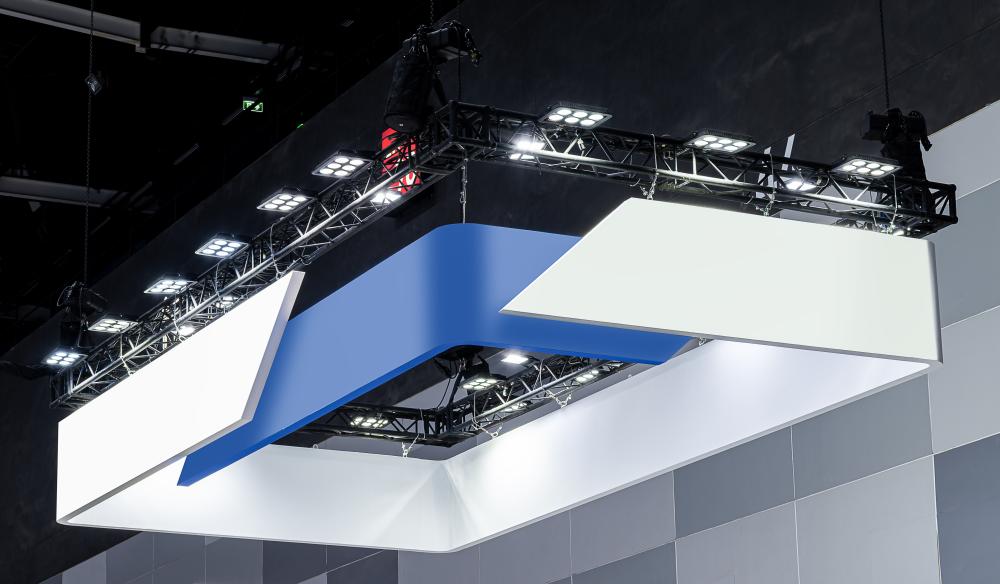
Defining Sky Ceiling: Beyond The Ordinary
The Benefits of Integrating a Sky Ceiling
- Mental Wellness: Studies suggest exposure to nature can reduce stress and enhance mood.
- Productivity Boost: Simulated natural lighting can increase concentration and comfort, making work environments more pleasant.
- Health Improvement: Mimicking natural daylight, sky ceilings can help regulate circadian rhythms, improving sleep patterns and overall health.
How To Install a Sky Ceiling in Your Space
- Assessment: Determine the space you wish to enhance and measure the ceiling area.
- Selection: Choose a sky ceiling design that complements your interior aesthetic.
- Professional Installation: Hire experts to ensure wiring and placement are handled safely and effectively.
- Customization: Configure settings such as dimmability and scene swapping to suit your preferences.
This systematic approach ensures a successful integration, producing a seamless sky ceiling that enriches the environment.
Applications in Medical and Commercial Spaces
What Qualifies as a Sky Ceiling Emergency?
- Identify the problem area or component.
- Turn off the power to prevent further damage.
- Contact a sky ceiling specialist for a comprehensive evaluation and repair.
Speedy resolution is key to restoring the enriching light environment that a sky ceiling provides.
The Future of Sky Ceilings: Trends to Watch
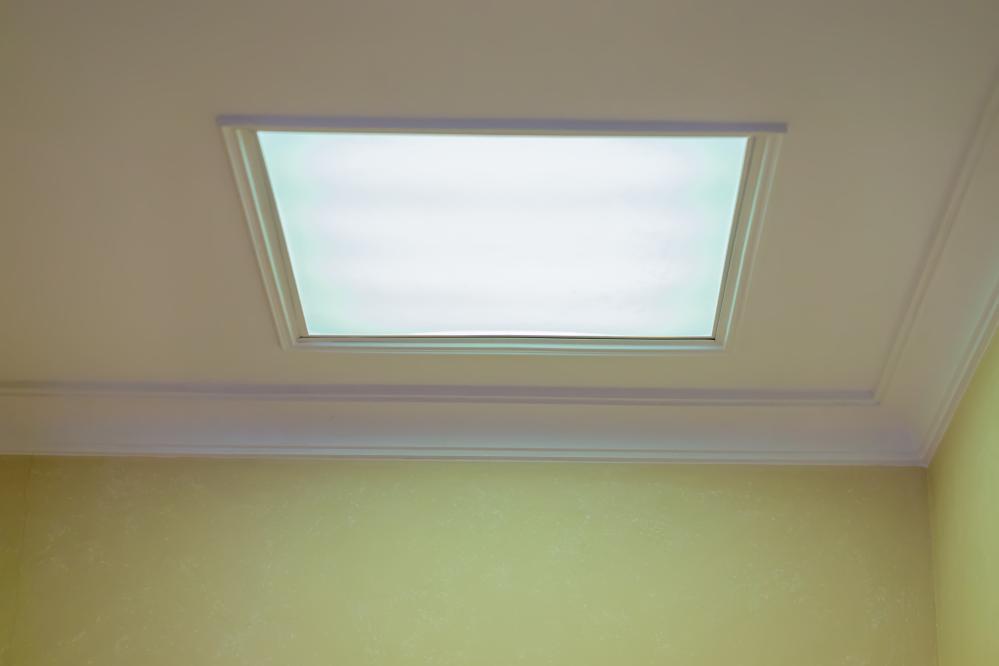
What is a sky ceiling?
Imagine bringing the outside sky into your room–that’s essentially what a sky ceiling does. It’s an innovative ceiling installation that uses advanced LED technology to replicate the visual effects of a natural sky. These systems are more than just aesthetic; they provide mental and physical health benefits by simulating natural daylight. For instance, workers in offices with sky ceilings often report increased productivity and reduced stress. Have you ever felt your mood lift on a sunny day? That’s the essence a sky ceiling captures for indoor environments.
What is the price of an artificial skylight?
The price of an artificial skylight can vary significantly based on factors like size, technology used, customization options, and installation requirements. Generally, the cost can range from a few hundred to several thousand dollars. At Artificial Sky, our products are tailored to provide unique lighting experiences that offer both aesthetic appeal and health benefits. It’s important to consider the long-term savings on energy bills and health-related benefits. Investing in an artificial skylight isn’t just about the immediate cost but the value it adds over time. If you could enhance your home or workplace ambiance while boosting your well-being, wouldn’t it be worth exploring?
What is the sky condition ceiling?
The term “sky condition ceiling” typically refers to the meteorological concept concerning the height of the lowest layer of clouds above the ground. In the context of sky ceilings, it relates more to the simulated sky conditions within a space. With our systems, you can adjust the sky scene according to your mood or time of day, offering a dynamic and immersive environment. Imagine starting your day with a sunrise and winding down with a sunset–all indoors. This adaptability is part of what makes sky ceilings so versatile and appealing. Have you ever thought about how ambiance affects your daily routine?
Are styrofoam ceiling tiles legal?
Styrofoam ceiling tiles are legal in many areas, but regulations can vary depending on local building codes and fire safety standards. It’s crucial to ensure that any building materials used meet the necessary fire ratings and safety criteria for your location. At Artificial Sky, we focus on safely integrating advanced lighting technologies that comply with all relevant safety standards. If you’re considering upgrades to your space, it’s always a good idea to consult with a professional to ensure compliance with local laws. What are your primary concerns when choosing materials for your home or office?
How do you install a sky ceiling?
Installing a sky ceiling involves several steps, starting with assessing the ceiling space for dimensions and desired effect. Selecting a design that complements your interior is crucial. Professional installation is highly recommended to ensure proper wiring and secure placement. Customization options, such as dimmability and scene-swapping, can be adjusted after installation to suit your preferences. The result is a seamless integration into your environment that transforms the space. Have you considered how a change in lighting might change the feel of your room?
What are the applications of sky ceilings in medical and commercial spaces?
Sky ceilings have transformative applications beyond residential settings, making a significant impact in medical and commercial spaces. In hospitals, they create calming environments conducive to faster patient recovery by mimicking natural daylight. Offices benefit from reduced absenteeism and increased worker productivity due to enhanced ambiance. These ceilings bring the well-documented advantages of biophilia into indoor environments, bridging the gap between nature and technology. Have you noticed how natural elements can alter your mood or productivity at work?
What does the future hold for sky ceilings?
The future of sky ceilings is bright and filled with innovation. Advances in artificial intelligence are making it possible to customize lighting based on individual preferences and lifestyle patterns. Sustainability is also a key focus, with developments in eco-friendly materials on the rise. As we continue to explore biophilic design, sky ceilings are set to become more immersive and personalized, redefining how we interact with indoor spaces. With technology ever-evolving, what other innovations do you envision for indoor environments?
Resources
- National Center for Biotechnology Information – A reputable source for medical and scientific research articles.
- National Institutes of Health – The primary agency for conducting and supporting medical research.
- World Health Organization – A global authority on public health within the United Nations system.
- Environmental Protection Agency – The agency responsible for protecting human health and the environment.
- Centers for Disease Control and Prevention – The leading national public health institute of the United States.