


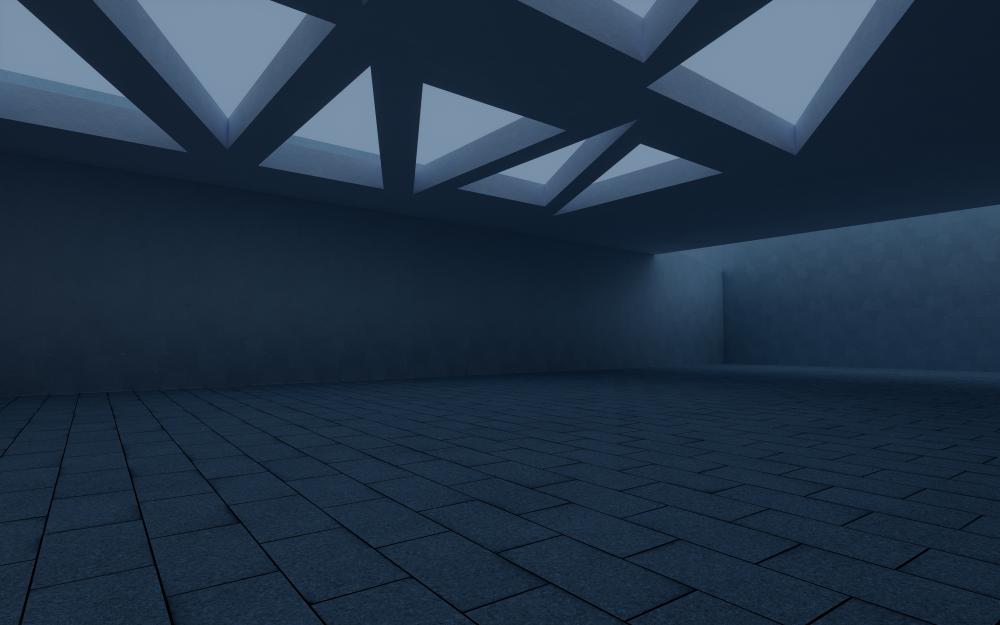
Exploring Biophilia in Virtual Skylight Design
The bond humans share with nature, often referred to as the “biophilia hypothesis,” seems to manifest profoundly in spaces adorned with a virtual skylight. For twenty years, I’ve championed biophilic design. At Artificial Sky, we’ve seen the life-affirming transformations that occur when people are immersed in nature-inspired environments. Workplaces become collective havens, medical facilities ease patient anxiety, and educational institutions see an uptick in student focus and engagement.
Health Benefits of a Virtual Skylight
- Improved mental health and wellness
- Balanced circadian rhythms leading to better sleep
- Diminished stress and anxiety
- Enhanced cognitive performance and productivity
- Increased patient recovery rates in healthcare settings
As an industry veteran, I’ve witnessed firsthand the efficacy of simulated daylight during hospital installations. Patients report reductions in recovery times, and hospital staff experience less burnout. The virtual skylight is not merely decor–it’s a vital tool in promoting health and wellbeing, rivaling even the benefits of real sunlight.
How Does a Virtual Skylight Work?
The installation process is surprisingly straightforward. Here’s an overview of how to integrate one:
- Consultation: Evaluate the space and determine the best placement for maximum impact.
- Design: Customize imagery and light settings to complement the room’s ambiance.
- Installation: Utilize dust-free techniques for seamless setup.
- Testing: Adjust settings for optimal light diffusion and user satisfaction.
Each step is guided by Artificial Sky’s team, ensuring a flawless fusion of technology and design. Our clients appreciate the maintenance-free aspect of these skylights, which offer a staggering 50,000+ hours of life.
Virtual Skylight in Diverse Spaces
As Mark Jenzen, CEO of Artificial Sky, often states, “It’s about offering environments that nurture the human spirit.” This includes senior living facilities where residents find comfort beneath a simulated swathe of sky, amidst familiar nature scenes that evoke cherished memories.
Hospitality venues, too, have noted enhanced guest experiences with these installations. A hotel lobby adorned with digital skylights is not just welcoming but transforms into a conversation piece, creating an ever-present invitation to relax and rejuvenate.
Addressing Common Concerns About Virtual Skylight
Another frequent question revolves around cost. Though the upfront investment might seem considerable, the long-term savings and benefits, like reduced energy costs and heightened productivity, make it a valuable proposition. It’s important to weigh these advantages against traditional lighting, which often falls short in mimicking the essence of natural daylight.
We’re also asked about health implications. Rest assured, the LED components in our virtual skylight systems are designed to be eye-friendly and emit no harmful UV rays. Our virtual skylights are designed with user wellbeing in mind, maintaining a focus on health and safety.
Is the Virtual Skylight Revolutionizing Modern Environments?
For example, our partnership with NASA has infused a level of authenticity in the imagery and light quality that often takes users by surprise. The journey with Artificial Sky, from initial consultation to the final reveal, is nothing short of a metamorphosis. The impact–whether in healthcare, education, or hospitality–is profound.
While the virtual skylight may seem like a modern luxury, it’s truly an investment in mental and physical wellbeing. Over 7,000 installations across 32 countries speak to its efficacy and appeal. With continued advancements, it’s clear that virtual skylights are not just a trend but are integral to future-forward design.
How expensive is CoeLux?
CoeLux systems are known for their remarkable ability to replicate natural sunlight and sky views, often used in high-end architectural projects. They tend to be on the pricier side, with installation costs ranging from a few thousand to tens of thousands of dollars, depending on the complexity and size of the setup. While the initial investment is considerable, these systems offer unparalleled aesthetic and psychological benefits, providing users with a near-perfect illusion of natural daylight. For spaces where the ambiance of sunlight is crucial, like luxury residences or premium office spaces, CoeLux can certainly justify its cost.
Are artificial skylights worth it?
Artificial skylights are an investment in enhancing both the aesthetic and functional aspects of a space. Imagine working in an office or living in a home where every ceiling can transform into an open sky–this is the promise of fake skylights. Their value extends beyond mere decoration; they contribute to improved mood, reduced stress, and better sleep by simulating natural daylight, which is essential for our circadian rhythms. For businesses, this translates into increased productivity and employee satisfaction. In healthcare settings, these skylights can significantly enhance patient recovery and comfort. So, whether you’re looking to boost home living experience or employee morale, artificial skylights can be a worthwhile addition.
What is the price of artificial skylight?
The cost of installing an artificial skylight can vary widely based on the technology and scope of the project. Some basic systems might start at a few hundred dollars, while more advanced setups, like those offered by Artificial Sky with NASA-developed technology, can reach several thousand dollars. While the front-end costs might seem steep, consider the long-term savings via reduced energy costs, and the enhanced well-being and productivity that can offset the investment over time. Consulting with a specialist to match your specific needs will help in tailoring a solution within your budget.
What is the best alternative to skylights?
If traditional skylights are not viable due to structural constraints or budget, virtual skylights present an excellent alternative. They offer the same psychological and aesthetic benefits without the need for structural modifications. Advanced systems utilize LED panels to mimic the dynamic qualities of natural daylight and sky views, providing a customizable and energy-efficient solution. Other alternatives might include LED-based daylight simulation panels or installing reflective light tubes to channel natural light into the interior spaces. Each option has its pros and cons, but virtual skylights stand out for their flexibility and impressive realism.
Can virtual skylights really improve health?
Yes, virtual skylights have been shown to positively impact health by aligning with the principles of biophilic design. Just like natural sunlight, the circadian lighting they provide can help regulate sleep patterns, boost mood, and reduce stress and anxiety. In healthcare environments, such as hospitals or senior living facilities, patients have reported improved recovery experiences, with environments that feel more natural and less sterile. The psychological benefits are supported by numerous studies indicating that our brains respond positively to environments that mimic our natural surroundings, making virtual skylights a compelling option for health-oriented design.
How does Artificial Sky use NASA technology?
Artificial Sky has leveraged NASA technology to develop highly advanced LED skylights and virtual sky ceilings that replicate natural daylight with exceptional accuracy. This collaboration has resulted in systems that offer a true-to-life sky experience, incorporating changes in light intensity and color temperature that mimic the natural progression of sunlight throughout the day. This innovation enhances the feeling of being under an open sky, offering users the physiological and psychological benefits of natural light without the need for actual windows or structural alterations. For those curious about longevity and maintenance, Artificial Sky systems are designed to be long-lasting and virtually maintenance-free, with a lifespan exceeding 50,000 hours.
Resources
- International Living Future Institute – Biophilic Design – Explore the principles of biophilic design and its impact on human health and wellbeing.
- American Academy of Pediatrics – Access valuable resources on children’s health, including tips on creating healthy environments.
- National Sleep Foundation – Learn about the importance of proper sleep and how natural light can affect sleep patterns.
- World Health Organization – Find information on global health issues and initiatives to promote wellbeing.
- American Institute of Architects – Discover resources on architecture and design practices that prioritize human health.